All Categories
Featured

How Competitive Intelligence Fuels Business Expansion
Agility matters more than excellence. Markets are moving quicker, and competitive pressures can alter rapidly. Developing a culture where your team is encouraged to pivot when new data appears assists ensure your methods stay appropriate. The most effective business are those that review and modify their strategies regularly in action to fresh competitor intelligence.
Understanding these limitations helps ensure that your findings are translated correctly and used sensibly. Not all rival information is public or trustworthy.
[target2:anchor_exact1]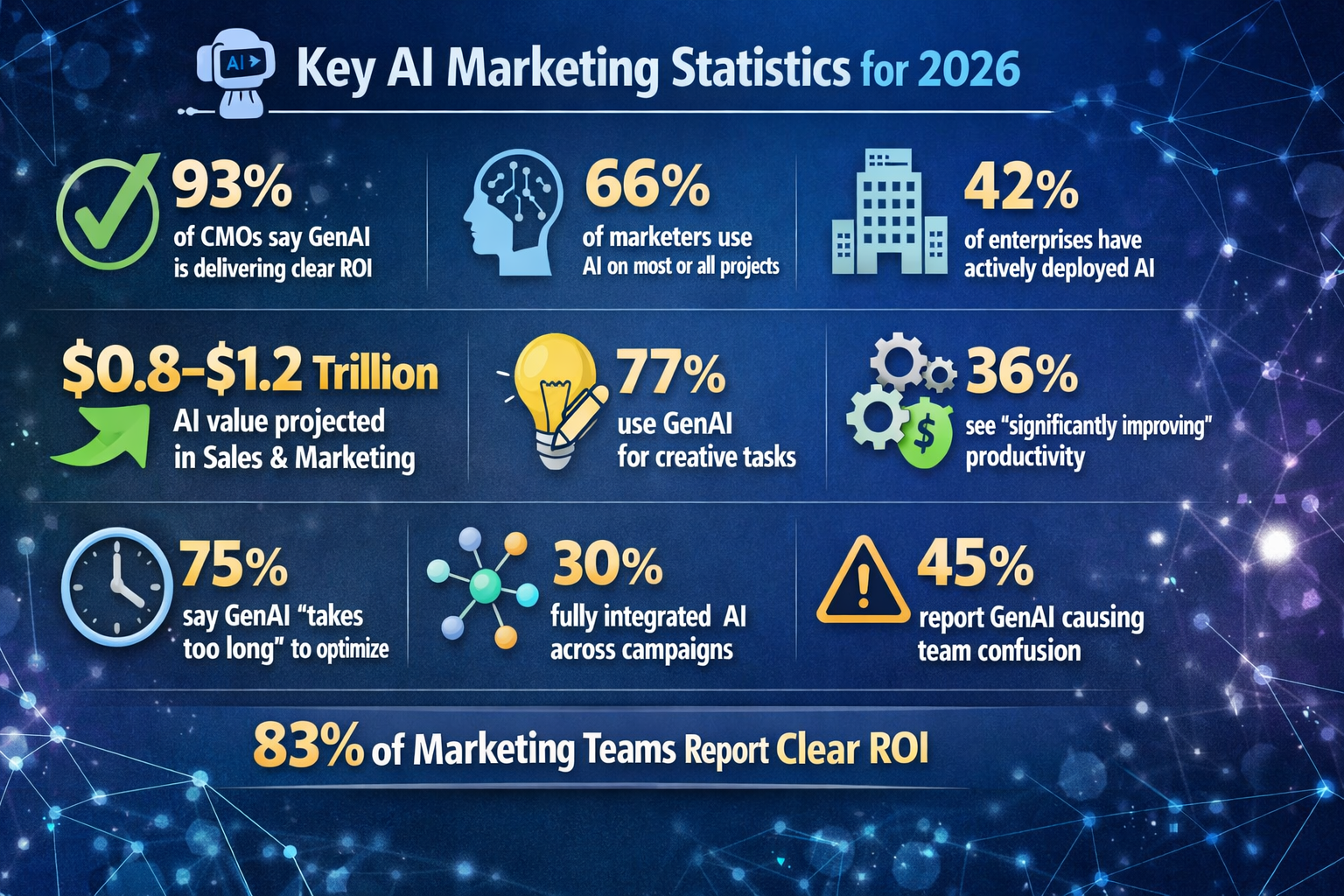
A well-rounded analysis consists of both competitive intelligence and a strong understanding of your core worth proposition. With so lots of tools and metrics readily available, teams can end up being overwhelmed.
A typical mistake is viewing competitive research in isolation. Market patterns, customer behavior, regulative changes, and financial forces all shape outcomes. Your analysis should sit within a broader marketing research and competitive analysis method. Some groups spend too long analyzing rivals and not adequate time acting on the insights.
[target2:anchor_exact1]
As competition heightens throughout industries, the method organizations approach competitive market analysis is going through a dramatic shift. Standard approaches of monitoring competitors are being enhancedor sometimes, replacedby more sophisticated, technology-driven techniques. For brands aiming to lead rather than follow, understanding and embracing these emerging patterns is no longer optional.

Latest Posts
How Detailed Performance Reports Boost Growth
Analyzing Market Growth Patterns Across the United States
Current Marketing Reports for US Sectors