All Categories
Featured
Setting Effective B2B Marketing Benchmarks for the US
Table of Contents
When you're constructing a service, it's simple to compare yourself to currently developed business. Before Canva became an international style platform, Melanie Perkins was teaching students how to utilize graphic design software.
Perkins invested years pitching investors and was rejected dozens of times before protecting funding. She launched Canva in 2013, focusing on simplicity and ease of usage. Today, it is among the most commonly used graphic design tools. Brian Chesky and his co-founders started Airbnb by renting out blow-up mattress in their apartment or condo to assist pay rent.
To fund the organization early on, they sold novelty cereal boxes throughout the 2008 election. Airbnb ultimately became an international market linking travelers with hosts in millions of cities. Jan Koum immigrated to the United States from Ukraine and resided on food stamps as a teen. He taught himself computer system programs and later on operated at Yahoo.
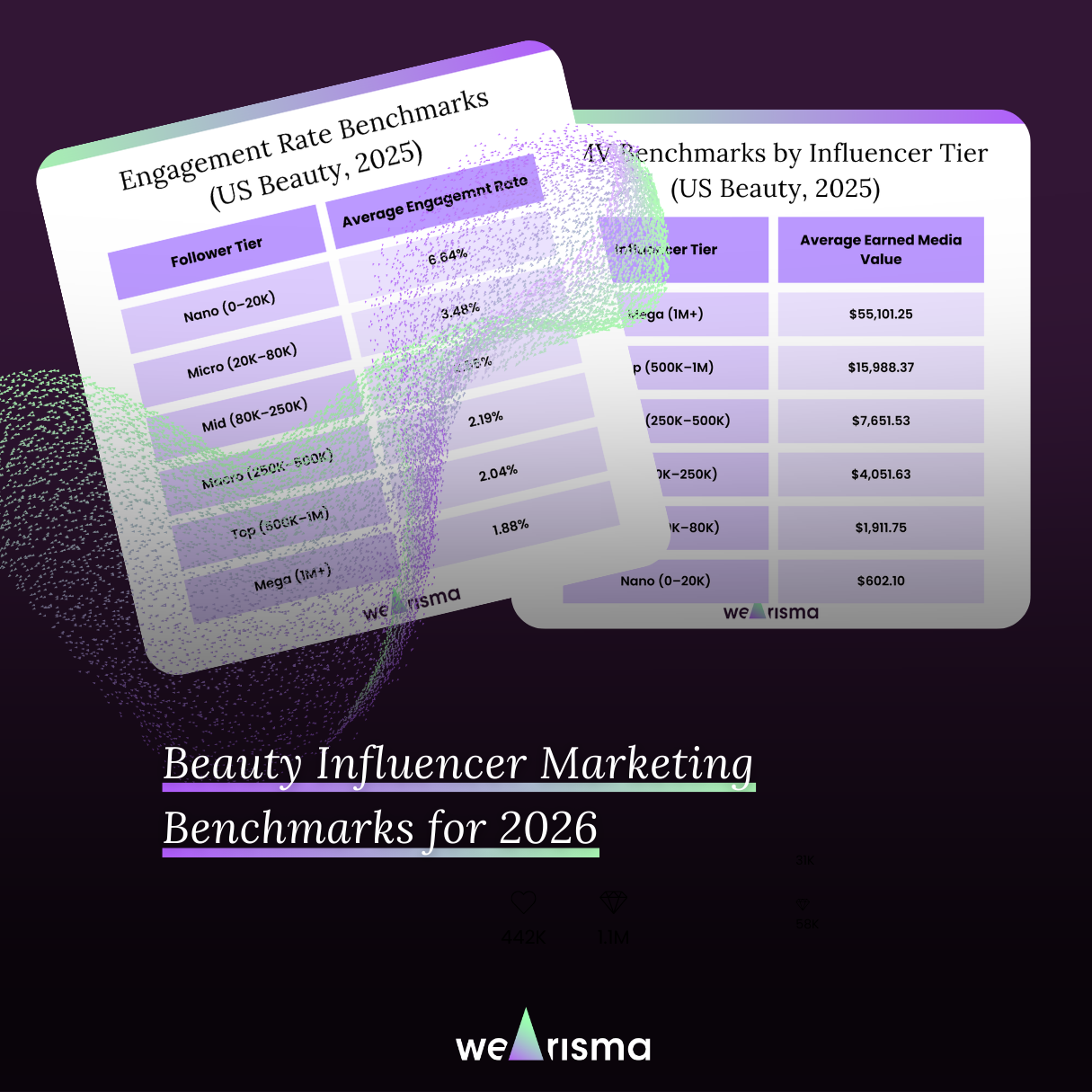
[target1:anchor_exact1]Modern Market Research Findings for US Entrepreneurs
The app grew quickly through word of mouth, and in 2014, Facebook obtained WhatsApp for $19 billion. Brian Chesky and his co-founders began Airbnb by leasing blow-up mattress in their apartment to assist pay rent. Hamdi Ulukaya started Chobani after purchasing a closed yogurt factory in New York using a U.S.
Rather than developing a new item category, he concentrated on improving quality and using simple components. Chobani grew gradually and helped promote Greek yogurt in the U.S. Ulukaya also developed the company around worker ownership and community investment, revealing that development and social responsibility can co-exist. Sara Blakely was selling fax machines door to door when she utilized $5,000 of her savings to establish Spanx.
Competitive Market Research Strategies for US Entrepreneurs
Blakely handled everything from product design to sales calls herself in the early days. She never took outdoors funding and owned 100% of the business till she offered a managing stake in 2021. While their markets and backstories differ, these founders share several traits that assisted them succeed. Each one started by focusing on fixing a specific issue, not always on developing a massive company.
Many likewise depended on their imagination rather than capital. Early moneying came from savings, a side earnings, or non-traditional ideas. Branding and customer connection played a major role, specifically for those who grew through word of mouth or social media instead of paid marketing. These success stories show that large amounts of start-up capital aren't always needed.
A top-selling item is moved by visibility, whether that's through partnerships or strong personal branding. And early obstacles didn't avoid these entrepreneurs from long-lasting success in numerous cases, those battles led to much better decisions down the road.
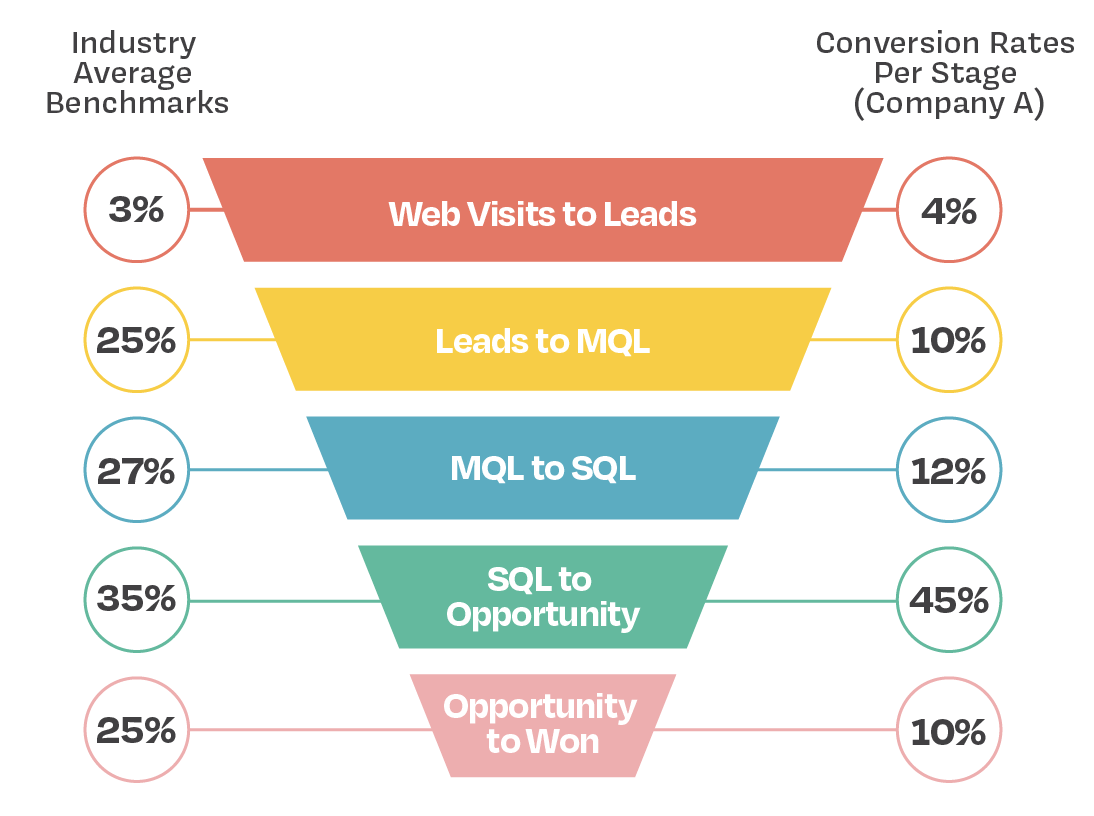
[target2:anchor_exact1]How Verified Metrics Propel Business Growth
Ambitious organization owners can take a comparable method by recognizing one particular customer need and developing a fundamental version of that item or service to test demand. You can likewise begin with what you already have, whether that's using your existing abilities, selling through existing platforms, or counting on your personal cost savings instead of trying to find outdoors funding.
And rather than rushing to scale, developing slowly can assist enhance your operations and consumer relationships. Brought to you by It's Walmart, constructed for your organization Simplify your everyday operations with multiuser accounts, expenditure management tools & automatic replenishment * of the products you utilize every day.
Eligible items only. Terms use. Thanks for subscribing! Professional business guidance, news, and trends, provided weekly to your inbox. Specialist company recommendations, news, and trends, delivered weekly By registering you accept the CO Personal Privacy Policy. You can choose out anytime. Released February 20, 2026.
SBA and resource partners support assisted Thomas Machining Inc. in Texas finish a complicated ownership shift, invest in new innovation, and pursue higher-value markets. Thomas Machining shows how ...
Modern Market Research Strategies for US Entrepreneurs
Beginning a small company is not for the faint of heart. There's a great deal of effort and lots of bumps in the roadway to deal with in order to become an effective business. However, the majority of business owners will inform you that it's well worth the struggle to own your own business. These small company success stories will raise your spirits and motivate you to keep overcoming the obstacles with the hope that your service will thrive.

Latest Posts
How Detailed Performance Reports Boost Growth
Analyzing Market Growth Patterns Across the United States
Current Marketing Reports for US Sectors